
How MBM Ensures Safety in Medical Transportation Rides
How MBM Transportation Keeps Passengers Safe on Non‑Emergency Medical Trips
By MBM Transportation, MBM Transportation
Passenger safety is central to non‑emergency medical transportation (NEMT). Many people depend on these rides to get to essential appointments, so reliability and care matter. Below, we explain the safety systems and driver training MBM Transportation uses to protect riders and make every trip comfortable. You’ll learn about practical safeguards, the services we offer, and how our approach supports continuous access to care. MBM Transportation is a trusted provider of reliable non-emergency medical transportation across the area.
Safety Protocols
Our safety program starts before each trip. Vehicles go through scheduled maintenance and pre-trip inspections so every ride begins in a well‑maintained vehicle. Drivers are trained in emergency procedures and know how to respond calmly and competently if something goes wrong. These preventive steps—regular checks, maintenance, and clear emergency plans—help keep passengers safe throughout their journey.
Training Procedures
Drivers complete a focused training program that blends safe driving with hands-on passenger care. Training covers defensive driving, emergency response, and practical techniques for assisting people with mobility or health needs. We also emphasize respectful, empathetic service. Regular refresher courses keep drivers current with best practices so they can handle challenges confidently and respectfully.
Measures to Protect Passengers
MBM uses multiple measures to protect passengers and improve comfort. We offer wheelchair-accessible vans and equip vehicles with secure tie‑down systems to keep mobility devices stable. We also maintain a clean, comfortable interior and provide accommodations tailored to each passenger’s needs so trips are both safe and pleasant.
What Non-Emergency Medical Transportation Services Does MBM Provide?
MBM Transportation provides a variety of NEMT services across Michigan to meet different needs. Key services include:
- Medical Appointment Transport: On‑time rides to and from doctor visits.
- Companion & Caregiver Transport: Options that allow a companion to travel with the passenger.
- Wheelchair Transport Services: Vehicles and staff prepared to safely transport passengers who use wheelchairs.
These services reflect our commitment to safe, dependable medical transportation. For a complete list, visit our non-emergency medical transportation services page.
Who Benefits from MBM’s Non-Emergency Medical Transportation?
MBM’s NEMT services support a wide range of riders. Seniors and people with disabilities rely on us to keep appointments; patients with chronic conditions use our services for regular treatments and check‑ups. Caregivers and families also benefit from having a dependable transport option that helps protect their loved ones’ health and independence.
How MBM Supports Safe and Reliable Healthcare Access
We support continuous healthcare access by coordinating timely, dependable rides. Punctual drivers and well‑maintained vehicles reduce missed appointments and stress. Routine vehicle checks and a focus on rider comfort help ensure passengers arrive safely and ready for care. That consistency makes it easier for patients to follow treatment plans and stay on track with their healthcare.
What Key Passenger Safety Measures Are Implemented by MBM?
Our safety measures include careful vehicle inspections, routine maintenance, and driver training focused on attentive, compassionate assistance. Each vehicle follows a pre-trip checklist so mechanical or safety issues are caught early. Drivers refresh their emergency response skills regularly so they’re prepared for unexpected situations.
Which Safety Equipment Secures Passengers During Transport?
We use specialized equipment to protect passengers during NEMT trips, including:
- Safety Restraints: Seat belts and harnesses that keep passengers secure while the vehicle is moving.
- Loading Systems: Ramps and lifts that make boarding and disembarking safe and smooth.
- Interior Safety Features: Non‑slip surfaces, grab handles, and stable seating to provide a secure, comfortable environment.
All equipment is inspected and maintained on a regular schedule to ensure reliable performance.
How Does MBM Ensure Proper Wheelchair Securement Procedures?
We follow strict procedures to secure wheelchairs properly. Drivers are trained to use tie‑down systems and restraints correctly so chairs stay stable during travel. Routine checks and maintenance of securement gear ensure the systems work as intended, giving riders and families peace of mind.
How Are Wheelchair Accessible Vehicles Equipped for Safe Transport?
Our wheelchair‑accessible vehicles include heavy‑duty lifts, certified tie‑downs, and roomy interiors to accommodate mobility devices comfortably. Vehicles meet ADA requirements and receive regular assessments to confirm they remain safe, functional, and compliant.
What Accessibility Features Are Included in MBM’s Wheelchair Vans?
Key accessibility features in our vans include:
- Wheelchair Lifts: Safe, reliable lifts for easy boarding and exit.
- Secure Tie‑Downs: Certified systems to fasten wheelchairs securely during transit.
- Interior Space Accommodations: Room for maneuvering and comfortable seating configurations.
These features are selected to improve safety and make travel easier for riders with mobility needs.
How Do Vehicle Designs Enhance Passenger Safety and Comfort?
Vehicle design matters for both safety and comfort. Interiors are arranged for easy access and secure seating; structures and materials add protection in the event of impact; and ergonomic seating reduces fatigue during rides. Together, these design choices help passengers arrive safely and comfortably.
What Training and Qualifications Do MBM Drivers Have for Passenger Safety?
We hire drivers who meet strict qualifications and provide thorough training. Instruction covers vehicle operation, passenger assistance, and emergency procedures. Training also emphasizes respectful, compassionate service so drivers can support passengers’ physical and emotional needs during transport.
How Are Drivers Trained in Passenger Securement and Safety Protocols?
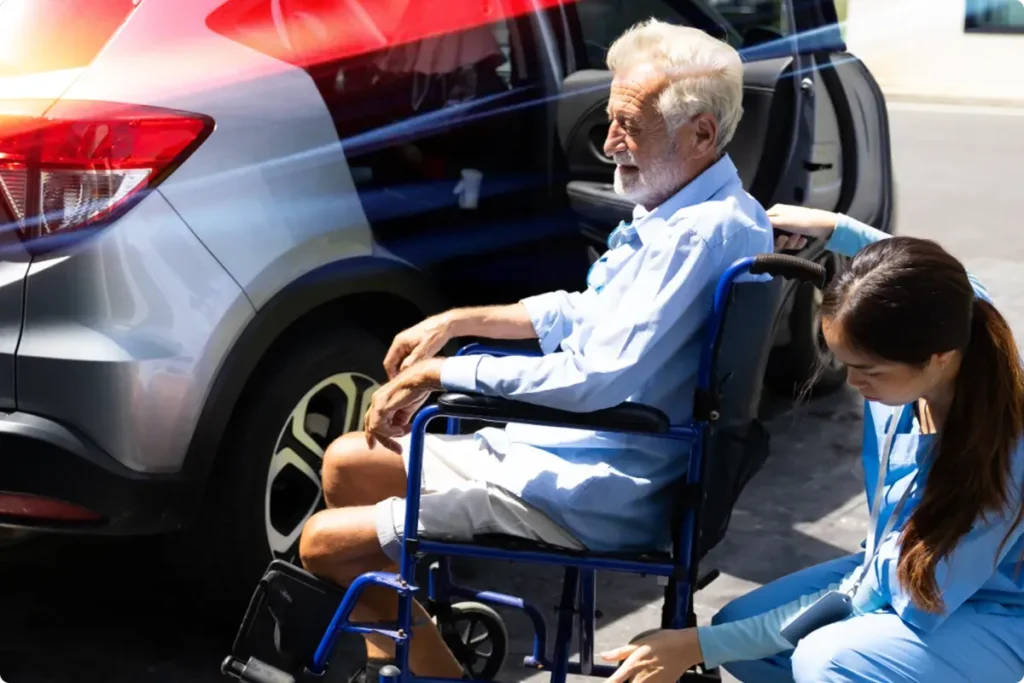
Driver training follows a clear structure and includes:
- Tie‑Down System Operation: Hands‑on practice securing wheelchairs and mobility devices.
- Compassionate Assistance Training: Techniques to help passengers comfortably and respectfully.
- Safety Protocol Education: Reviews of emergency procedures and day‑to‑day safety best practices.
This training prepares drivers to prioritize safety while providing supportive care throughout each trip.
What Certifications Recognize MBM Drivers’ Safety Expertise?
Our drivers earn certifications and complete training that align with industry and regulatory standards. These credentials reflect safe driving, securement skills, and emergency readiness, giving riders confidence in the team that transports them.
Why Is Reliable Non-Emergency Medical Transportation Critical for Patient Care?
Reliable NEMT helps patients keep appointments and follow treatment plans, which improves outcomes. Consistent access to transportation builds independence and reduces missed care. For anyone who needs dependable rides to stay healthy, MBM Transportation offers tailored solutions. To learn more, visit our contact page.
Dependable transportation is an important part of effective patient care.
Reducing Missed Appointments: Impact of Non-Emergency Medical Transportation Interventions
Interventions that address transportation barriers are linked to fewer missed appointments. Current research has not yet drawn clear conclusions about effects on cost, utilization, or long‑term health outcomes.Effect of interventions for non-emergent medical transportation: a systematic review and meta-analysis, IM Miake-Lye, 2022
How Does MBM Support Continuous Healthcare Through Dependable Transport?
We help keep care on schedule by organizing reliable transport and monitoring service quality. Our scheduling and follow‑up practices minimize disruptions so patients can attend appointments on time. Comfort, punctuality, and consistent safety checks all contribute to steady access to care.
What Role Does Safe Transportation Play in Senior and Mobility-Impaired Recovery?
Safe transport supports recovery by ensuring people can get to appointments, treatments, and social activities. Reliable rides increase independence and reduce stress for seniors and mobility‑impaired passengers, which can positively affect both physical and emotional well‑being. MBM’s safe, dependable service plays a meaningful part in that support.
What Are Common Questions and Concerns About MBM’s Safety Practices?
People often ask about driver qualifications, vehicle cleanliness, emergency response, and accessibility features. We address these concerns through transparent policies, thorough training, and routine vehicle maintenance. For more details about our standards, see our about us page.
How Does MBM Address Passenger and Caregiver Safety Concerns?
We respond to safety concerns with clear protocols: trained drivers, regular vehicle maintenance, and attention to cleanliness. Reliable timing and open communication also help reassure passengers and caregivers that their needs will be met during each trip.
What Are MBM’s Protocols for Handling Special Patient Needs Safely?
We use tailored protocols for passengers with special needs. Drivers receive specific instruction for unique situations so they can provide appropriate, safe assistance. Our flexible approach and focus on inclusion ensure we can accommodate diverse requirements. Read about real client experiences on our testimonials page.
so it reads naturally in the brand’s authentic voice.