
Accessible Medical Transportation in Michigan
Wheelchair-Accessible Medical Transportation in Michigan
By MBM Transportation
Access to healthcare should never depend on mobility. In Michigan, dependable medical transportation helps people who use wheelchairs get to their appointments safely and on time. This guide walks through the wheelchair-accessible non-emergency medical transport options available across the state, why they matter, and how to arrange them. With growing demand for non-emergency medical transport (NEMT), it’s important for patients and caregivers to know who qualifies, what services look like, and how to schedule rides.
We also outline the services MBM Transportation provides throughout Michigan, including eligibility, vehicle types, and safety practices designed to keep passengers comfortable and secure.
What is Non-Emergency Medical Transportation in Michigan?
Non-emergency medical transportation (NEMT) covers scheduled rides to and from medical appointments for people who don’t need emergency care but can’t travel independently. These services are essential for patients with mobility limitations, helping them reach treatments, therapy sessions, and follow-up visits without added stress.
In Michigan, NEMT has expanded access to care for many residents. Reliable rides make it easier for patients to keep appointments, which improves overall health outcomes. Companies like MBM Transportation play a critical role by offering safe, wheelchair-accessible options across the state.
That said, residents of rural communities still face gaps in service, where long distances and fewer transportation resources create barriers to routine care.
NEMT Deficiencies for Rural Aging Residents in Michigan
The rural aging population in Michigan struggles to access medical care often available only at significant distances due to limited health system resources and provider shortages. Access to routine care is challenged by lack of non-emergency medical transportation (NEMT).
Deficiencies in Non-Emergency Medical Transportation for Aging Rural Residents of Iosco County, Michigan, 2025
Who qualifies for wheelchair-accessible NEMT services?
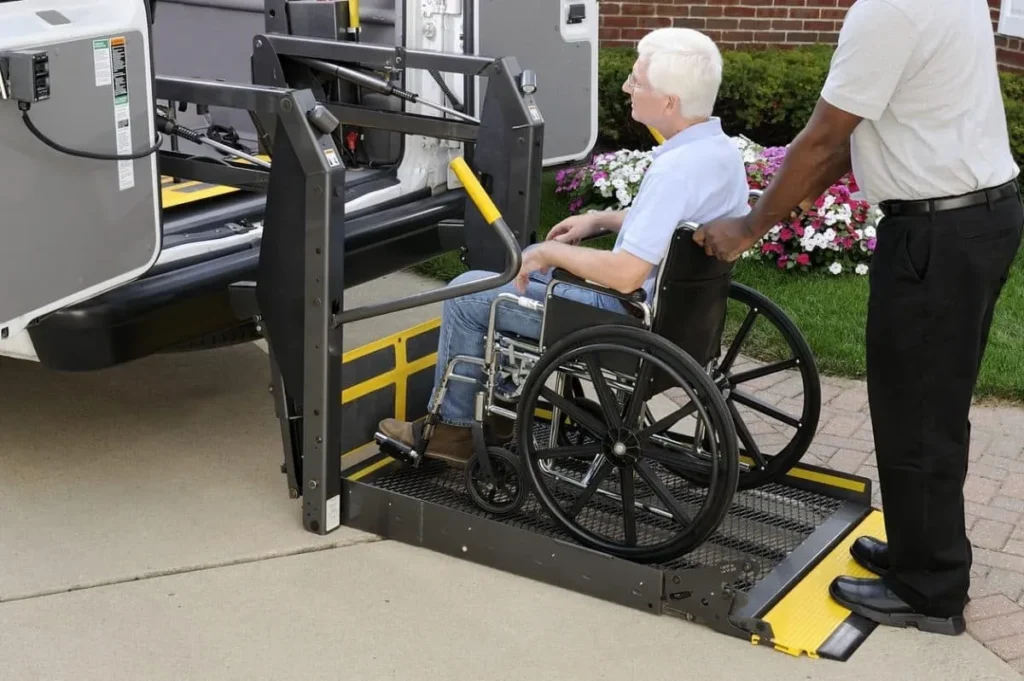
Wheelchair-accessible NEMT is generally for people who need transportation to medical appointments because of a mobility limitation or medical condition. Providers often require documentation showing the ride is medically necessary.
Common eligibility factors include:
- Medical Necessity: A provider’s note or medical documentation may be needed to confirm transportation is required for appointments or treatment.
- Condition-Specific Criteria: Certain diagnoses or mobility restrictions can automatically qualify a person for NEMT services.
- Program Rules: Different programs and payers may have specific forms or procedures; checking the applicable guidelines or speaking with a representative helps clarify requirements.
Which medical appointments are commonly supported by NEMT?
NEMT covers many types of healthcare visits so patients don’t miss critical care. Typical trips include:
- Routine doctor visits for ongoing care and check-ups.
- Dialysis treatments that require regular, scheduled travel.
- Physical and occupational therapy sessions.
- Safe rides home after hospital discharge.
Reliable transport for these visits supports better chronic care management and recovery.
What Types of Wheelchair-Accessible Vehicles Does MBM Transportation Offer?
MBM Transportation maintains a fleet of wheelchair-accessible vehicles fitted to meet different needs. Each vehicle is selected and equipped to provide secure, comfortable travel for passengers who use mobility devices. Learn more about our wheelchair services at MBM Transportation.
Typical vehicle options include:
- Wheelchair-Accessible Vans: Spacious interiors with secure tie-down systems and lifts to accommodate one or more passengers in wheelchairs.
- Assisted Transport Services: Vehicles paired with trained staff who assist with boarding, securement, and in-ride support as needed.
Compare common vehicle features below to find the best fit for each passenger’s needs:
| Vehicle Type | Features | Passenger Capacity |
|---|---|---|
| Standard Wheelchair Van | Secure tie-down systems, wheelchair lifts | Up to 2 passengers |
| Enhanced Comfort Van | Spacious interiors, easy-access ramps | Up to 4 passengers |
| Specialty Transport Vehicles | Custom adaptations for severe disabilities | Various configurations |
This range helps MBM meet diverse mobility and comfort needs for medical travel.
What safety features ensure secure transport for wheelchair users?

When moving passengers who rely on wheelchairs, safety is the top priority. MBM Transportation equips vehicles and trains staff to reduce risk and provide a secure ride. Key safety features include:
- ADA-Compliant Wheelchair Lifts: Mechanized lifts remove the need for manual lifting and make boarding and exiting safer for everyone.
- Professional Tie-Down Systems: Certified securement equipment keeps wheelchairs stable during travel.
- Specialized Driver Training: Drivers learn safe handling, securement procedures, and emergency protocols so they can assist respectfully and confidently.
These measures help passengers and families feel reassured on every trip.
How do vehicle accessibility options accommodate different mobility needs?
Accessibility features vary so riders can get the right level of support. Knowing what to expect helps patients and caregivers choose the appropriate vehicle.
Important considerations include:
- Vehicle Design: Lower floors, ramps, and lifts make entering and exiting easier for a range of mobility levels.
- Customizable Layouts: Adjustable seating and flexible configurations allow vehicles to serve multiple needs, from single-passenger rides to group transports.
- Assistive Technology: Some vehicles include additional aids—like special restraints or assistive controls—to support passengers with specific disabilities.
Matching vehicle features to a passenger’s needs ensures a safer, more comfortable trip.
How Does MBM Transportation Prioritize Passenger Safety and Comfort?
MBM places safety and dignity at the center of every ride through clear policies, vehicle upkeep, and attentive staff.
- Regular Maintenance and Safety Checks: Vehicles are routinely inspected and serviced so equipment works reliably.
- Comfort-Focused Interiors: Vehicles are arranged to reduce crowding and provide stable, comfortable seating for passengers and their devices.
- Ongoing Feedback: We welcome passenger feedback and use it to improve services and training continually.
These practices reflect MBM’s commitment to dependable, respectful transportation for people with mobility needs.
What passenger securement protocols are followed during transport?
Proper securement is essential for safe travel. MBM follows a consistent process to protect passengers and their mobility devices.
- Initial Assessment: On arrival, staff evaluate each passenger’s needs to choose the correct securement method.
- Use of Certified Equipment: Tie-downs and restraints are applied by trained personnel to keep wheelchairs and passengers stable.
- Continuous Monitoring: Staff check securement and passenger comfort throughout the trip and adjust as necessary.
These steps help ensure every ride is as safe and comfortable as possible.
How do trained staff assist during wheelchair van boarding and unloading?
Boarding and unloading are handled with care by trained team members to reduce stress and speed up the process.
- Safe Lifting and Positioning: Staff follow best practices when operating lifts or ramps and when positioning wheelchairs inside the vehicle.
- Clear, Compassionate Communication: Drivers and attendants explain each step and provide reassurance to ease anxiety.
- Efficient Coordination: Trained teams work to keep transfers smooth and timely, minimizing wait times and protecting schedules.
This hands-on support improves both safety and the overall passenger experience.
How Can Patients and Families Schedule Wheelchair-Accessible Medical Transportation in Michigan?
Arranging a ride with MBM Transportation is simple and designed to reduce hassle for patients and caregivers. The typical process looks like this:
- Call Dispatch: Speak with our dispatch team to find and reserve the best vehicle for your needs.
- Use Online Scheduling: Book through our website with the online scheduling tool if that’s more convenient.
- Share Trip Details: Tell us pickup and drop-off locations, appointment times, and any special requirements so we can plan appropriately.
With clear communication and a few details, we make sure patients arrive on time and with the support they need.
What are the steps to book NEMT services with MBM Transportation?
Booking NEMT through MBM follows a few straightforward steps to ensure a seamless ride:
- Confirm Eligibility: Verify medical necessity for NEMT services if required by your program or insurer.
- Select Booking Method: Call dispatch or use the online tool to schedule the trip.
- Provide Required Information: Share the passenger’s needs, trip details, and any special equipment or assistance required.
- Receive Confirmation: Get a ride confirmation and any day-of instructions so you know what to expect.
Following these steps helps reduce last-minute issues and keeps care on track.
Are there eligibility requirements or documentation needed to schedule transport?
Certain documentation can be necessary to secure NEMT services. Common requirements include:
- Proof of Medical Necessity: A note or form from a healthcare provider may be requested to confirm the need for transport.
- Insurance Details: Some programs require insurance information to verify coverage for NEMT services.
- ID and Contact Information: Basic identification and contact details help ensure accurate bookings and timely communication.
Having these items ready speeds up the booking process and reduces delays.
What Are the Benefits of Choosing Specialized Senior and Disability Transportation Services in Michigan?
Specialized transportation for seniors and people with disabilities offers clear advantages tailored to their needs:
- Safety and Dependability: Vehicles and staff are prepared to transport wheelchair users safely and consistently.
- Comfort and Convenience: Services are designed to reduce stress and physical strain for passengers and caregivers.
- Better Access to Care: Reliable rides improve appointment adherence, which supports better health outcomes over time.
Awareness of these benefits helps families choose the right transportation solution.
Communities must also evaluate whether local accessible transportation meets the needs of seniors and people with disabilities.
Assessing Accessible Transportation for People with Disabilities
Accessible transportation is an integral service for many people with disabilities and the elderly in order to live healthy and fulfilling lives. This thesis aims to give communities a way of assessing their accessible transportation services to determine if they are adequately providing transportation to these populations.
Assessing Accessible Transportation Options Using GIS in Missoula, MT, 2009
How does reliable NEMT improve appointment adherence and health outcomes?
Consistent access to NEMT has a measurable effect on patient care. Key benefits include:
- Higher Appointment Attendance: When patients have reliable rides, they’re more likely to keep scheduled visits.
- Improved Health Over Time: Regular care and timely treatments contribute to better long-term outcomes.
- Fewer Emergency Visits: Preventive care and follow-ups reduce the risk of avoidable health crises.
By removing transportation barriers, NEMT supports continuity of care and overall well-being.
What feedback do customers and patients share about MBM’s services?
Customer feedback highlights consistent themes that speak to our approach:
- Punctuality and Reliability: Many passengers praise on-time pickups and dependable service.
- Compassionate Staff: Riders and families often note the courteous, respectful care provided by drivers and attendants.
- Reassuring Safety: Passengers appreciate the clear securement practices and safety protocols that make trips less stressful.
These responses reflect MBM’s focus on dependable, dignified transportation.
Where Can You Find Additional Resources and Support for Accessible Transportation in Michigan?
Beyond MBM, several sources can help people find accessible transportation options across the state:
- State Programs: The Michigan Department of Health and Human Services can point to local resources and programs that support NEMT.
- Community Nonprofits: Local organizations often offer guidance and sometimes supplemental transportation services for seniors and people with disabilities.
- Healthcare Providers: Clinics and hospitals can recommend transportation options and may assist with arrangements.
Combining these resources with MBM’s services gives patients more options for timely, accessible care.
What local and state regulations impact medical transportation services?
Regulations shape how NEMT providers operate to protect passengers and ensure consistent quality. Important regulatory elements include:
- Safety and Equipment Standards: Rules require specific safety equipment and operational practices for NEMT vehicles.
- Licensing and Compliance: Providers must meet licensing requirements and follow oversight rules for service delivery.
- Passenger Rights: Regulations emphasize privacy, respectful treatment, and appropriate assistance for passengers with special needs.
These requirements help maintain a safe, accountable transportation system for medical trips.
How can families and caregivers prepare for medical transport appointments?
Good preparation makes transport smoother. Families and caregivers can take these steps:
- Confirm Appointment Details: Double-check times, locations, and appointment type.
- Gather Paperwork: Bring any required medical documentation or insurance information.
- Tell the Provider Your Needs: Share details about mobility devices, assistance required, or equipment being transported.
- Book Early: Reserve transportation ahead of time to ensure availability for important appointments.
Following these tips helps reduce stress and keeps care on schedule.
Frequently Asked Questions
What should I consider when choosing medical transportation for wheelchair users?
When selecting medical transportation for wheelchair users, evaluate factors such as vehicle accessibility, staff training, and safety features. Confirm that the service provider offers ADA-compliant vehicles equipped with ramps and safety tie-downs. Additionally, assess the experience of the drivers and attendants in handling mobility devices. Comfort and punctuality are also vital; reliable transport ensures timely arrivals to appointments, reducing stress for both passengers and caregivers.
How is NEMT funded in Michigan?
Non-emergency medical transportation (NEMT) in Michigan is primarily funded through Medicaid and other state health programs. These funds assist eligible individuals in receiving necessary medical services without financial burden. Some plans may cover transportation for certain medical appointments, but others may limit transportation to specific providers. Patients should check with their insurance plan or Medicaid provider to understand the extent of their transportation benefits and any eligibility requirements.
Are there options for same-day transportation requests?
Many transportation providers, including MBM Transportation, may offer same-day transportation requests, although availability can vary based on demand and scheduling constraints. It is advisable to request rides as early as possible, especially for routine medical appointments rather than emergencies. Some companies have dedicated dispatch services that can accommodate urgent requests, so it’s best to reach out directly to confirm if same-day transportation can be arranged.
What can patients expect during their ride on a wheelchair-accessible vehicle?
During a ride in a wheelchair-accessible vehicle, patients can expect a comfortable and secure environment. Staff will assist with boarding and positioning the wheelchair, ensuring proper securement with safety equipment. Passengers receive individualized attention, with drivers trained in compassionate care. Additionally, the ride will aim to avoid unnecessary bumps or abrupt stops, enhancing comfort. If passengers have specific needs or requests, they should communicate these to the staff for a tailored experience.
How do transportation services handle cancellations or changes in scheduling?
Transportation services like MBM typically have clear policies for cancellations or changes in scheduling. Generally, customers can modify or cancel their bookings by reaching out to the provider as soon as possible. Many companies offer online tools or customer service numbers for this purpose. It’s advisable to review the cancellation policy at the time of booking, as some services may have deadlines for changes to avoid cancellation fees or ensure the availability of transportation for others.
What resources are available for families needing assistance with NEMT arrangements?
Families seeking assistance with NEMT arrangements can explore various resources. The Michigan Department of Health and Human Services offers information on local transportation services and eligibility requirements. Community nonprofit organizations may provide guidance or additional transportation options. Furthermore, healthcare providers often help coordinate transportation services, making referrals to reputable providers. Online resources also exist, enabling families to compare different transportation solutions based on their specific needs and situations.
What types of insurance typically cover NEMT services?
Medicaid is a primary insurer covering non-emergency medical transportation (NEMT) services in Michigan, especially for eligible participants needing transports due to medical necessity. Some private insurance policies may also offer coverage for NEMT, but it can vary significantly by plan. Patients should contact their insurance company to verify coverage, understand limitations, and determine if pre-authorization is required. Knowing the specifics can assist with planning and reducing out-of-pocket expenses related to transportation for medical appointments.