
Key Safety Features to Look for in Non-Emergency Medical Transportation for Secure, Reliable Patient Transport
By MBM Transportation, MBM Transportation
Navigating medical transportation can feel overwhelming, especially for people who depend on non-emergency medical transportation (NEMT). Safety is the top priority: the right provider helps patients arrive for appointments on time and travel with confidence. This piece walks through the most important safety features to check when choosing NEMT—vehicle safety standards, driver training, and in-transit protocols—and highlights wheelchair-accessible vehicle features that make rides safer and more comfortable.
Key safety features to consider for secure and reliable patient transport in Non-Emergency Medical Transportation (NEMT) include:
When comparing NEMT providers, prioritize features that directly affect passenger safety and service reliability. Look for up-to-date vehicle inspections, documented driver training, clear accessibility accommodations, and well-practiced emergency procedures. Together, these elements create a trustworthy transport experience for riders with mobility needs or health concerns.
Vehicle Safety Standards:
Strong vehicle safety standards are the foundation of safe transport. Regular inspections keep equipment working and help providers meet state requirements. Accessibility components should comply with Americans with Disabilities Act (ADA) guidelines so passengers with limited mobility can board, ride, and disembark safely. Commitment to these standards shows a provider takes passenger care seriously.
Driver Training:
Driver training is central to safe medical transport. Drivers should receive specialized instruction in defensive driving, patient handling, wheelchair securement, and emergency procedures. Well-trained drivers not only protect passengers physically but also provide calm, respectful support that builds trust throughout the trip.
Knowing how training differs by vehicle type—like ambulance versus wheelchair-accessible vans—helps clarify the specific skills drivers need for safe patient care.
Ambulance Driver Training Requirements for Patient Transportation Safety
The research project reported in this document was intended to develop a greater understanding of states’ requirements for ambulance driver training, the various training programs, and the content of those programs.
Characterizing ambulance driver training in EMS systems, TJ Wright, 2019
What are the Essential Wheelchair Accessible Vehicle Features for Safe Medical Transport?
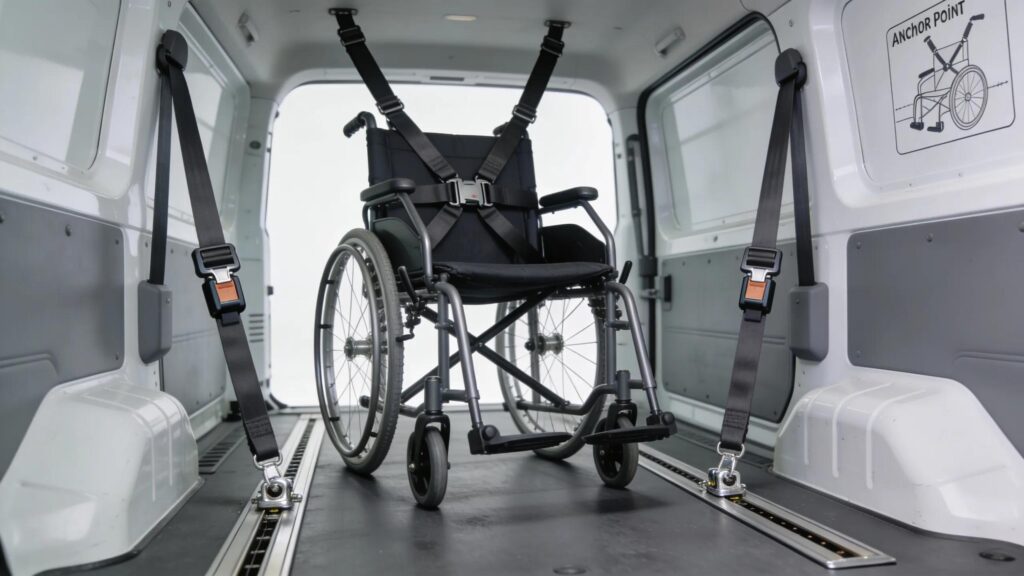
Wheelchair-accessible vehicles are a key part of NEMT. Make sure vehicles include the right safety equipment and are designed around passenger needs. For full-service options, see our wheelchair transportation services.
Safety Equipment:
The right equipment protects wheelchair users throughout the ride. Look for secure tie-down systems that hold wheelchairs firmly, plus anti-slip flooring to reduce fall risk during loading and unloading. These features make everyday trips much safer.
Accessibility Standards:
Accessibility standards set the baseline for vehicle design. ADA-compliant wheelchair lifts and ramps ensure smooth, dignified entry and exit for passengers who use mobility devices. When a provider follows these standards, it signals thoughtful, inclusive service design.
How do securement systems enhance wheelchair transportation safety?
Securement systems are essential for stabilizing wheelchairs and protecting riders. Proper systems reduce movement, meet industry guidelines, and give passengers and families peace of mind during transit.
Mechanisms:
Securement mechanisms vary but are built to be straightforward and reliable—commonly adjustable tie-down straps or docking systems that fit different wheelchair models. Intuitive design helps drivers secure chairs quickly and correctly, cutting setup time without sacrificing safety.
Benefits:
Effective securement systems prevent tipping and sudden shifts, lowering the risk of injury for wheelchair users and other passengers. They are a simple, high-impact feature that directly improves ride safety.
Which vehicle modifications support mobility assistance effectively?
Thoughtful vehicle modifications make a real difference for passengers who need mobility support. These changes focus on safe access, stable transit, and ease of use.
Wheelchair Lifts:
Wheelchair lifts enable safe entry and exit and should be installed and maintained to provide smooth operation every trip. Proper maintenance is essential to keep lifts dependable.
Safety Restraints:
High-quality restraints secure wheelchairs and passengers during transport, reducing the chance of movement that could cause harm. Reliable restraints are a non-negotiable safety feature for NEMT vehicles.
How Does Passenger Safety Equipment Ensure Protection During Non-Emergency Medical Rides?
Passenger safety equipment is more than compliance—it’s how providers protect riders and build confidence in their services.
Wheelchair Lifts:
Durable, well-maintained lifts allow passengers to board and leave the vehicle without strain. Regular checks and servicing keep these systems safe and functional.
Safety Restraints:
Effective restraints secure both the wheelchair and the person in it, reducing injury risk during sudden stops or turns. Vehicles should use restraints that meet current safety standards.
Anti-Slip Flooring and Handrails:
Anti-slip flooring and sturdy handrails lower the chance of slips and give passengers support during transfer. These practical features improve comfort and reduce accidents, especially in wet or slippery conditions.
What types of passenger safety gear are standard in NEMT vehicles?
Knowing the common safety gear helps you choose a provider that takes passenger protection seriously.
Wheelchair Lifts:
Wheelchair lifts are standard equipment in accessible NEMT vehicles. They need to be easy to operate and reliable across conditions.
Secure Tie-Down Systems:
Secure tie-downs keep wheelchairs stable during transit and are a cornerstone of safe wheelchair transport.
Passenger Equipment:
Standard passenger gear also includes seat belts, additional securement devices, and other supports tailored to riders’ needs—choices that balance safety and comfort.
How are secure loading and restraint procedures implemented?
Clear, repeatable loading and restraint procedures protect passengers and streamline driver workflows.
Secure Tie-Down Systems:
Tie-down systems must be used consistently and correctly. Providers should train drivers on best practices to guarantee stable securement every trip.
Safety Restraints:
Restraints require regular inspection and replacement when worn. Routine checks ensure they perform reliably in real-world conditions.
Driver Training:
Drivers need hands-on practice with loading techniques and securement devices to handle diverse scenarios safely and efficiently.
Vehicle Maintenance:
Scheduled maintenance keeps lifts, restraints, and other systems working as intended. Frequent inspections catch small issues before they become safety concerns.
Compliance with Safety Standards:
Following local and federal safety rules is critical. Staying up to date with regulatory requirements helps providers protect riders and reduce liability.
What Driver Qualifications and Training Are Required for Dependable NEMT Services?
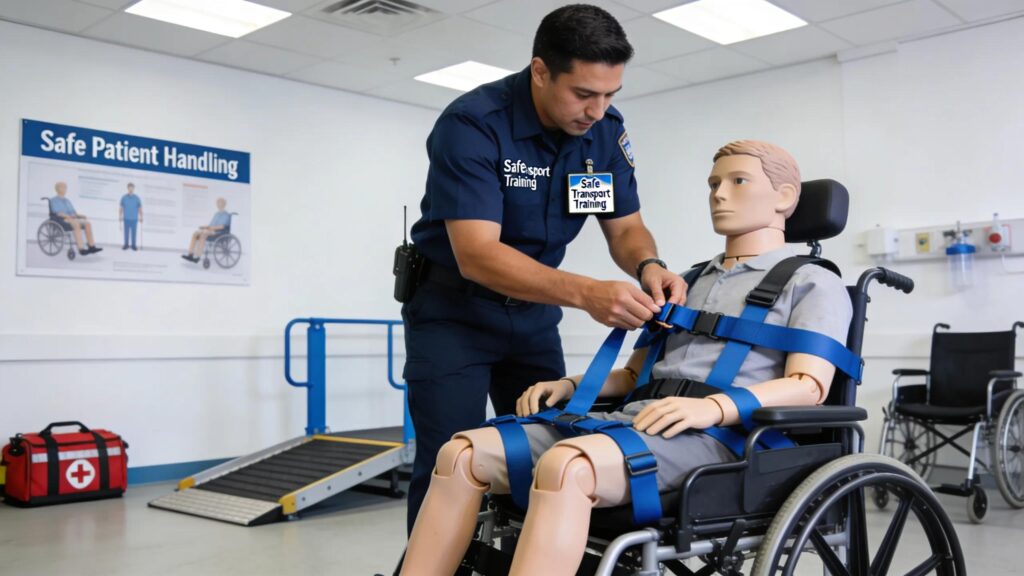
Clear qualifications and ongoing training ensure drivers can safely transport patients and respond to changing needs during trips.
Which certifications demonstrate driver readiness for passenger care?
Look for certifications like CPR and first aid, plus documented training in handling mobility devices and securement systems. These credentials show drivers are prepared for common passenger needs and emergencies.
How do driver training programs improve patient safety outcomes?
Comprehensive training covers defensive driving, securement techniques, and respectful customer care. When drivers combine technical skill with patience and clear communication, patient safety and comfort both improve.
Why is Timely Scheduling Important for Ensuring Safety in Medical Transportation?
Timely scheduling affects safety and the overall patient experience in NEMT.
Impact on Patient Care:
Arriving on time reduces stress and helps patients get the care they need without delays. Reliable transport supports better treatment adherence and outcomes.
Potential Risks Associated with Delays:
Delays can lead to missed appointments and worsened health conditions. On-time service reduces those risks and prevents unnecessary complications.
Best Practices for Effective Scheduling:
Use structured scheduling tools and allow flexibility for last-minute changes. Technologies that enable real-time updates and confirmations help keep trips running smoothly.
Scheduling and ride-management technology have created new ways to make NEMT more efficient and flexible.
Technological Innovations Enhancing NEMT Patient Transportation
Innovations in technology have driven much of the growth in the ride-sharing industry, and those innovations can also create new opportunities to enhance states’ non-emergency medical transportation (NEMT) benefit. For example, some NEMT programs have adopted apps or other technologies to enable more timely, efficient, and flexible transportation and to address common NEMT challenges.Disruptive innovation in Medicaid non-emergency transportation, 2017
How does punctuality contribute to patient well-being and treatment adherence?
Punctuality is more than convenience: it supports patients’ health and peace of mind.
Consistent Access to Care:
Reliable transport helps patients keep regular appointments, which is critical for managing chronic conditions and following treatment plans.
Reduced Stress and Anxiety:
Knowing rides will arrive on time eases worry for patients and caregivers, allowing them to focus on care rather than logistics.
Improved Health Outcomes:
Being punctual supports successful treatments and can contribute to better recovery and long-term health.
Enhanced Quality of Life:
Consistent, safe transport reduces daily stress and improves overall well-being for patients and families.
Safety During Transit:
A focus on punctuality reduces rushed driving and helps maintain safer, more controlled trips.
What scheduling practices enhance reliability in NEMT services?
Smart scheduling boosts availability and keeps services dependable.
Ensures Availability:
Advance booking and clear staffing plans ensure vehicles are ready when patients need them.
Reduces Stress:
Balanced scheduling prevents driver overload and supports safer operations.
Improves Punctuality:
Integrated scheduling systems with real-time tracking and updates help trips stay on time.
Enhances Safety:
Reliable scheduling reduces last-minute decisions that can compromise safety and service quality.
Who Benefits Most from Mobility Assistance Features in Non-Emergency Medical Transportation?
Mobility features support a wide range of passengers and the people who care for them.
Seniors:
Seniors often need easier entry, secure seating, and steady support—features that preserve dignity and independence on every trip.
Individuals with Disabilities:
Accessible vehicles and tailored securement systems allow people with disabilities to travel safely and confidently.
Patients Recovering from Surgery or Illness:
Patients in recovery depend on steady, comfortable transport to attend follow-ups and rehabilitation appointments.
Caregivers:
Caregivers benefit from reliable services that simplify logistics and let them focus on care rather than transportation concerns.
What Regulatory Standards and Compliance Measures Safeguard NEMT Safety?
Regulations provide a baseline that protects passengers and sets expectations for providers.
Regulatory Standards and Compliance Measures:
Federal, state, and local rules define vehicle and service requirements to protect riders. When providers follow those rules, it builds trust and ensures consistent safety practices. For service inquiries, please visit contact us.
Each state’s Medicaid NEMT program shows how regulations can be tailored to local needs while maintaining safety and access.
Medicaid’s NEMT Program: Designing Safe and Accessible Patient Transport
Each state designs its NEMT program to meet the needs of its Medicaid population. This includes the following features of each state’s NEMT program: NEMT delivery system model(s) used, use of transportation network companies (TNC), use of brokers and managed care organizations, covered modes of transportation, and various program requirements for providers that contract to provide NEMT, such as livery services, wheelchair-enabled vans, stretcher vans, and ambulances.Medicaid’s Non-Emergency Medical Transportation Benefit
Compliance Checklists and Safety Protocols:
Checklists and regular safety audits help providers confirm they meet minimum standards for vehicles, training, and service quality. Routine reviews are a best practice for maintaining safe operations.
How do ADA accessibility standards influence vehicle and service requirements?
ADA rules shape vehicle design and service practices, requiring features like wheelchair lifts and accessible boarding that broaden participation and protect passengers with disabilities.
What local Michigan regulations impact non-emergency medical transport safety?
Michigan’s local regulations set specific safety expectations that NEMT providers must follow to protect riders. These requirements are updated periodically to reflect new safety guidance and best practices.
To learn more about our safety and reliability commitments, see our about us page, and read what clients say on our testimonials page.
Frequently Asked Questions
What steps should I take to ensure the safety of non-emergency medical transportation services?
To ensure safety in non-emergency medical transportation (NEMT) services, start by researching the provider’s safety records and compliance with regulations. Verify that their vehicles are properly maintained and inspected regularly. Ask about driver training programs that cover medical emergencies, wheelchair securement, and patient care. Additionally, assessing the provider’s reviews and testimonials can give insights into their reliability and commitment to safety. Always prioritize providers that demonstrate a robust safety protocol and commitment to passenger care.
How can I find a reliable NEMT provider for my specific needs?
Finding a reliable NEMT provider requires some research. Start by defining your specific needs like wheelchair accessibility or the type of medical care required. Utilize online resources, local health services, or Medicaid’s website for provider listings. Evaluate each option based on safety features, training certifications, and customer reviews. Contact potential providers directly to discuss your needs and inquire about their safety protocols. Personal referrals from healthcare professionals can also guide you to trustworthy services.
What should I expect during a non-emergency medical transport ride?
During a non-emergency medical transport ride, passengers can expect a well-trained driver who will assist with boarding, secure the wheelchair safely, and ensure comfort throughout the journey. The vehicle should be equipped with features such as proper restraint systems, anti-slip flooring, and accessible entry options. Communication is key, so the driver should provide updates about the route and estimated arrival times. Overall, the goal is to create a comfortable and safe experience tailored to individual passenger needs.
Are there any specific regulations for NEMT services in my state?
Yes, each state has its own regulations governing NEMT services, which include vehicle safety standards and driver qualifications. These laws are designed to protect passengers and ensure reliable transportation. To understand what applies in your state, consult your local Medicaid program or transportation authority, which usually provides comprehensive guidelines. Familiarizing yourself with these regulations will help you identify compliant NEMT providers and understand your rights as a passenger.
What role do technology and scheduling play in enhancing NEMT services?
Technology and effective scheduling are crucial for enhancing NEMT services by improving reliability and efficiency. Transportation companies often utilize software for real-time tracking and updates, allowing for better coordination of rides. Furthermore, structured scheduling can reduce wait times and ensure that drivers are appropriately assigned, contributing to on-time arrivals. Innovations in communication enable passengers to receive timely notifications about their rides, creating a smoother experience and minimizing stress related to logistics.
How can caregivers assess the suitability of a NEMT provider before making a decision?
Caregivers can assess a NEMT provider’s suitability by evaluating a combination of safety protocols, service reliability, and accessibility features. Start by conducting interviews with potential providers and asking them specific questions related to their driver training, vehicle maintenance, and past customer experiences. Request information about emergency procedures in place and assess their responsiveness to inquiries. Reviews from other caregivers or healthcare professionals can offer valuable insights into a provider’s overall performance and commitment to patient care.