
Understanding Non-Emergency Medical Transportation Services in Michigan
Understanding Non-Emergency Medical Transportation Services in Michigan
By MBM Transportation, MBM Transportation
Non-Emergency Medical Transportation (NEMT) helps people get to medical care when they can’t drive or don’t have reliable transit. In Michigan, these services remove a major barrier to appointments, treatments, and therapy—especially for people with mobility needs or no personal vehicle. Below, we explain how NEMT works in Michigan, who typically qualifies, the benefits for patients and providers, and practical tips for scheduling rides with a trusted provider like MBM Transportation.
Non-Emergency Medical Transportation (NEMT) in Michigan
NEMT covers non-urgent trips to medical appointments for people who need assistance getting to care. It ensures patients who lack accessible transport still reach clinics, dialysis centers, rehab, and other health services. By reducing missed appointments, NEMT supports better health outcomes and smoother care coordination across communities.
Knowing the NEMT terminology makes it easier to navigate rules and options. NEMT includes vehicles outfitted for mobility aids and drivers trained to assist passengers. Eligibility often ties to state Medicaid guidelines, and most services cover routine visits, follow-ups, and long-term treatments.
Eligibility Criteria
Michigan’s NEMT eligibility typically depends on factors such as:
- Medical Necessity: Regular treatments—like dialysis or ongoing therapy—often qualify a rider for NEMT.
- Age and Mobility: Older adults and people with mobility limitations commonly meet criteria for assistance.
- Medicaid Eligibility: Many NEMT services are covered for Medicaid enrollees according to state rules.
These guidelines help prioritize transportation for people who truly need it to access healthcare.
Benefits for Patients
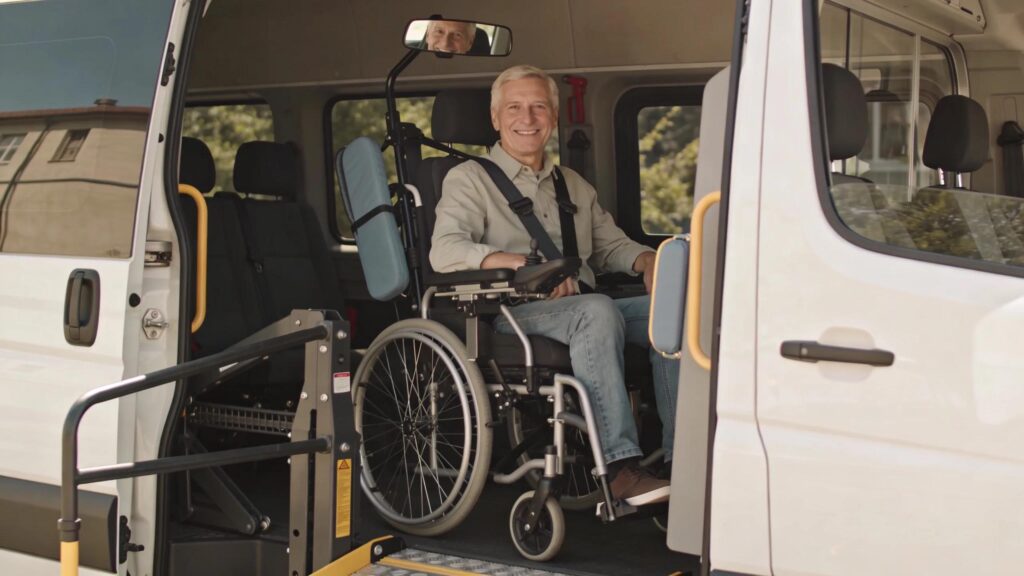
NEMT removes logistical obstacles so patients can focus on getting care. Key advantages include:
- Comfort and Safety: Vehicles are configured for passenger comfort and secure transport.
- Accessibility Features: Wheelchair-accessible vans and ramps make travel possible for those with mobility needs.
- Assistance from Trained Drivers: Drivers provide help entering, securing mobility devices, and boarding safely.
At MBM Transportation we prioritize dependable service tailored to each rider’s needs—learn more on our About Us page.
| Service | Feature | Benefit |
|---|---|---|
| Wheelchair Accessible Transport | Specially equipped vans | Safe travel for wheelchair users |
| Professional Drivers | Trained for assistance | Enhanced comfort and safety |
| Punctual Service | Timely arrivals | Reduces missed appointments |
MBM Transportation focuses on these practical elements to make sure riders get where they need to go.
Benefits for Healthcare Providers
NEMT supports clinics and care teams by removing transportation as a barrier to care. That translates into:
- Improved Appointment Adherence: Fewer no-shows lead to better chronic disease management and follow-up care.
- Smoother Care Coordination: Reliable transport helps providers keep schedules and manage patient flow.
- Fewer Access Barriers: When transportation is taken care of, patients can focus on treatment rather than logistics.
Using NEMT allows healthcare staff to concentrate on clinical needs instead of repeatedly addressing missed rides.
Overall Impact on Healthcare Access
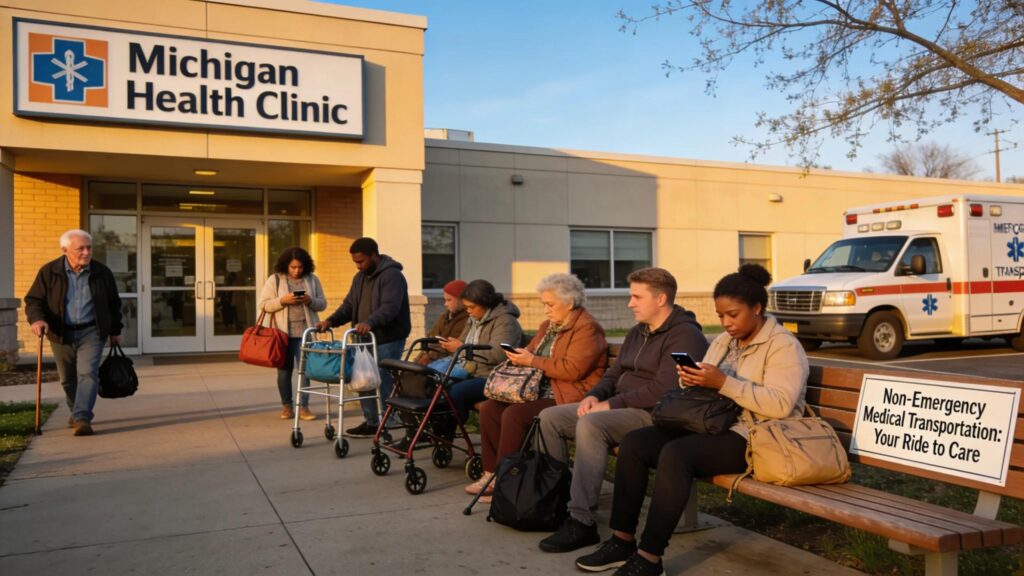
Reliable NEMT improves access to timely care across Michigan. Consistent transportation reduces emergency visits, helps manage chronic conditions, and supports healthier communities by keeping patients connected to care.
Service Areas
NEMT reaches both urban and rural parts of Michigan, tailored to local needs. Key focus areas include:
- Urban Centers: Serving cities where people may lack convenient transit to medical sites.
- Rural Communities: Connecting residents who face long distances or limited transit options to essential care.
Rural seniors in particular often face steep barriers to routine care—NEMT helps bridge that gap.
NEMT Challenges for Rural Michigan Seniors
The rural aging population in Michigan struggles to access medical care often available only at significant distances due to limited health system resources and provider shortages. Access to routine care is challenged by lack of non-emergency medical transportation (NEMT).
Deficiencies in Non-Emergency Medical Transportation for Aging Rural Residents of Iosco County, Michigan, 2025
Contact MBM Transportation for details about specific counties and service coverage.
Scheduling and Availability
Booking NEMT is usually straightforward. Typical steps include:
- Contact the provider to explain your transportation needs.
- Share appointment details and preferred pickup times.
- Confirm the ride in advance to secure availability.
MBM Transportation aims to make scheduling simple—visit our Contact Us page to arrange a ride.
What Is Non-Emergency Medical Transportation and Who Benefits?
NEMT provides non-urgent transport for people who cannot safely use standard travel options. Common beneficiaries include:
- Older Adults: Who may need extra help getting to appointments.
- Patients with Chronic Conditions: Those needing regular treatments like dialysis.
- People with Disabilities: Who require vehicles that accommodate mobility aids.
These services preserve access to care without adding stress to patients or caregivers.
Who qualifies for NEMT services in Michigan?
People who often qualify include:
- Seniors with mobility needs: Age-related limitations that prevent safe travel.
- Patients with ongoing medical requirements: Regular or frequent treatments.
- Medicaid recipients: Many Medicaid plans cover eligible NEMT trips under state guidelines.
Knowing qualification rules helps patients and caregivers plan transportation ahead of time.
What are the key benefits of NEMT for patients and healthcare providers?
NEMT delivers measurable benefits for both sides:
- Expanded Access: Ensures all patients can reach care, regardless of mobility.
- Better Health Outcomes: Consistent attendance supports effective treatment plans.
- Operational Efficiency: Less time spent dealing with missed appointments lets providers focus on care.
In short, NEMT supports a healthier, more reliable continuum of care.
How Does Wheelchair Accessible Transportation Work in Michigan?
Wheelchair-accessible transport is a core NEMT offering. In Michigan, providers like MBM Transportation follow specific practices to keep rides safe, dignified, and efficient for passengers using mobility devices.
What features define Michigan’s wheelchair-accessible vans?
Key van features include:
- Wheelchair Lifts: Allow easy, safe boarding for wheelchair users.
- Secure Tie-downs: Keep mobility devices stable during transit.
- Accessibility Compliance: Vehicles meet state and federal accessibility standards.
These features foster independence and reliable access to appointments. Learn more at our Wheelchair Transportation page.
How does MBM Transportation ensure safety and comfort in wheelchair transport?
MBM maintains safety and comfort through:
- Clear safety protocols for boarding and securing mobility devices.
- Driver training focused on respectful handling and passenger needs.
- Vehicles equipped with features that reduce discomfort during longer trips.
These practices ensure a dependable, supportive ride for every passenger.
What Are the Common Medical Appointment Types Served by NEMT in Michigan?
NEMT supports a range of appointment types, including:
- Routine Doctor Visits: Regular check-ups and specialist consultations.
- Dialysis Treatments: Trips scheduled multiple times per week for renal patients.
- Rehabilitation and Therapy: Post-surgery or ongoing therapy sessions.
Reliable transport for these appointments is critical to ongoing health management.
How are dialysis transportation services structured for patients’ needs?
Dialysis transport is organized to meet frequent and predictable needs by providing:
- Regular, scheduled trips: Often several times per week.
- Assistance on and off the vehicle: Drivers trained to help patients safely enter and exit.
- Accessibility-equipped vehicles: Ensuring safe transfers and travel.
This structure supports treatment adherence and patient well-being.
How does NEMT support rehabilitation and therapy appointments?
NEMT helps patients keep therapy schedules by offering:
- Comfortable, timely pickups: So patients arrive ready for treatment.
- Flexible timing: Adjustments when therapy plans change.
Consistent transport is often a key factor in successful recovery.
How Can Patients and Caregivers Schedule Non-Emergency Medical Transportation with MBM?
Scheduling a ride with MBM Transportation is simple and client-focused. Follow these steps:
- Contact the Office: Call MBM Transportation at (866) 453-9888 to discuss needs.
- Provide Appointment Details: Share date, time, pickup location, and any mobility requirements.
- Receive Confirmation: We’ll confirm your booking and any special instructions.
Our process is designed to be straightforward so patients and caregivers can secure reliable transport easily.
What is the step-by-step process to book NEMT services in Michigan?
To book NEMT:
- Identify your transportation needs: Note locations and the type of service required.
- Gather required information: Patient details and appointment specifics.
- Confirm the reservation: Book a few days ahead when possible to ensure availability.
These steps help make bookings predictable and stress-free.
What should patients expect during their NEMT rides with MBM?
Onboard, patients can expect:
- Safety-first practices: Secure tie-downs, seat belts, and trained procedures.
- Professional, courteous drivers: Staff trained to assist respectfully and carefully.
- Dependable service: Timely pickups and drop-offs to reduce appointment anxiety.
We also encourage riders to view testimonials on our Testimonials page to hear about others’ experiences.
What Safety Features and Regulations Govern NEMT Services in Michigan?
Safety and compliance are central to NEMT operations. Important elements include:
- Regulatory Compliance: Providers follow state and federal safety rules for passenger transport.
- Required Safety Equipment: Vehicles carry tie-downs, safety belts, and emergency tools.
- Driver Training: Drivers receive instruction in passenger assistance and safety procedures.
Together, these practices ensure reliable, secure transport for riders.
Which safety equipment is standard on wheelchair-accessible vans?
Standard safety gear includes:
- Wheelchair lifts: For safe boarding and exit.
- Secure tie-down systems: To keep wheelchairs stable in transit.
- Passenger safety restraints: Seat belts and harness options as needed.
These measures protect passengers throughout the journey.
How are NEMT providers in Michigan compliant with healthcare transportation standards?
Compliance includes:
- Routine vehicle maintenance: Keeping all vehicles in safe working order.
- Professional driver certification: Ensuring staff are properly trained and vetted.
- Adherence to accessibility rules: Following guidelines so services meet diverse needs.
These standards demonstrate a commitment to safe, accessible transportation.
What Frequently Asked Questions Do Patients Have About NEMT in Michigan?
Patients often ask a few recurring questions about NEMT:
Common eligibility and coverage questions for Michigan NEMT
- What conditions qualify for NEMT services? Eligibility depends on medical need and program rules; check with your provider or Medicaid plan to confirm.
- Are there geographic restrictions? Availability varies by county and provider—ask about your area when booking.
- What documentation is required? Providers may request ID, appointment confirmation, or insurance/Medicaid information.
How can patients address common concerns about NEMT reliability and accessibility?
- What methods are available for scheduling rides? Providers typically accept phone bookings and may offer online or referral-based scheduling.
- How is vehicle accessibility ensured? Ask the provider about vehicle types and accessibility features when reserving a ride.
- What interaction should be expected with drivers? Drivers are trained to be respectful, assist as needed, and prioritize passenger safety.
Answering these questions clearly helps patients feel confident using NEMT services and supports a smoother healthcare journey.