
Affordable Wheelchair Transport in Dearborn, MI - Your Guide
Wheelchair Accessible Transportation in Michigan: Ensuring Safe and Reliable Mobility for Medical Needs
By Mbm Transportation, MBM Transportation
Access to reliable transportation is crucial for individuals with mobility challenges, particularly when it comes to medical appointments and treatments. Wheelchair accessible transportation services play a vital role in ensuring that those who rely on wheelchairs can maintain their independence and receive necessary medical care. This article will explore the various transportation options available in Michigan, the quality and safety measures in place, eligibility criteria, and how to schedule rides effectively. Additionally, we will discuss the importance of non-emergency medical transportation (NEMT) and the specific features of wheelchair accessible vans that enhance passenger safety and comfort.
However, despite the crucial need for such services, significant challenges persist, particularly for rural populations in Michigan.
Michigan NEMT Challenges for Rural Healthcare Access
The rural aging population in Michigan struggles to access medical care often available only at significant distances due to limited health system resources and provider shortages. Access to routine care is challenged by lack of non-emergency medical transportation (NEMT).
Deficiencies in Non-Emergency Medical Transportation for Aging Rural Residents of Iosco County, Michigan, 2025
Transportation Options
In Michigan, there are several transportation options available for individuals requiring wheelchair accessible services. These options include:
- Non-Emergency Medical Transportation (NEMT): This service is designed specifically for patients who need transportation to medical appointments but do not require emergency services.
- Public Transit Services: Many public transit systems offer accessible vehicles that can accommodate wheelchairs, providing an affordable option for those who can navigate public transport.
- Private Transportation Services: Companies like MBM Transportation specialize in providing wheelchair accessible vehicles for medical and non-medical needs, ensuring comfort and safety for passengers.
These diverse options cater to the varying needs of individuals, ensuring that everyone has access to the transportation they require.
Quality and Safety
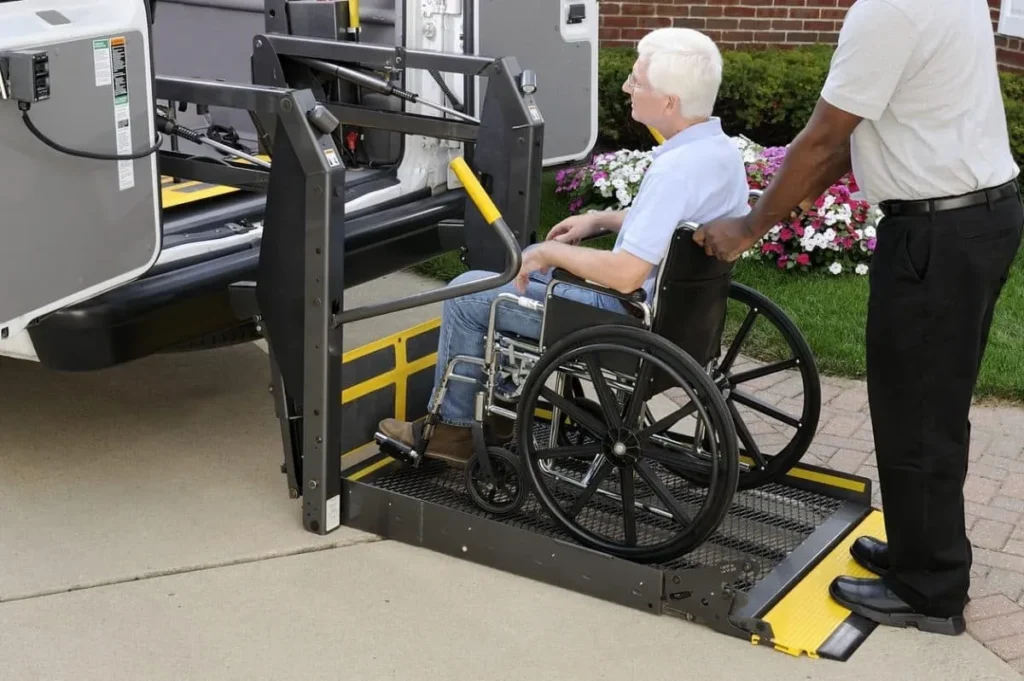
Quality and safety are paramount in wheelchair accessible transportation services. Providers must adhere to strict safety regulations and ensure that their vehicles are equipped with the necessary features to protect passengers. Key safety measures include:
- Trained Drivers: All drivers undergo extensive training to handle wheelchair accessible vehicles and assist passengers with mobility challenges.
- Safety Features: Vehicles are equipped with wheelchair lifts, secure tie-down systems, and passenger safety equipment to ensure a safe ride.
- Compassionate Service: Providers focus on delivering compassionate care, understanding the unique needs of each passenger.
These measures not only enhance the safety of the transportation services but also provide peace of mind for passengers and their families.
Regulations and Resources
The transportation services in Michigan are governed by various regulations to ensure compliance and safety. Key regulations include:
- 24/7 Availability: Many services operate around the clock to accommodate the needs of patients requiring transportation at any time.
- Service Area Coverage: Providers must clearly define their service areas, ensuring that individuals know where they can access transportation.
- Regulatory Compliance: All transportation services must comply with state and federal regulations regarding accessibility and safety.
These regulations help maintain high standards in the industry, ensuring that individuals receive the best possible care during their transportation.
Eligibility Criteria
To qualify for wheelchair accessible transportation services, individuals must meet certain eligibility criteria. These criteria typically include:
- Medical Necessity: Individuals must demonstrate a need for transportation due to medical appointments or treatments.
- Mobility Challenges: Services are specifically designed for those who use wheelchairs or have other mobility impairments.
- Application Process: Many providers require an application process to assess eligibility and schedule rides.
Understanding these criteria is essential for individuals seeking to utilize these vital transportation services.
How to Schedule a Ride

Scheduling a ride for wheelchair accessible transportation can be straightforward if individuals follow these steps:
- Contact the Provider: Reach out to the transportation service, such as MBM Transportation, via phone or their website.
- Provide Necessary Information: Be prepared to provide details about the pickup location, destination, and any special requirements.
- Advance Scheduling: It is recommended to schedule rides in advance, especially for medical appointments, to ensure availability.
By following these steps, individuals can secure reliable transportation for their medical needs.
What is Non-Emergency Medical Transportation and Who Qualifies?
Non-Emergency Medical Transportation (NEMT) refers to transportation services specifically designed for patients who need to attend medical appointments but do not require emergency medical care. NEMT is essential for individuals who may have difficulty accessing traditional transportation due to mobility challenges or lack of available options.
Eligibility for NEMT typically includes individuals with medical conditions that necessitate regular visits to healthcare providers, such as those undergoing rehabilitation or treatment for chronic illnesses. This service ensures that patients can maintain their healthcare appointments, which is crucial for their overall well-being.
Indeed, research consistently highlights the critical role of reliable transportation in preventing missed medical appointments and improving overall healthcare access.
NEMT’s Impact on Healthcare Access and Missed Appointments
Transportation is an important social determinant of health. Interventions aimed at non-emergency transportation barriers to access health care are associated with fewer missed appointments.
Effect of interventions for non-emergent medical transportation: a systematic review and meta-analysis, IM Miake-Lye, 2022
How Do Wheelchair Accessible Vans Ensure Passenger Safety and Comfort?
Wheelchair accessible vans are designed with specific features that prioritize passenger safety and comfort. These features include:
- Wheelchair Lifts: These allow for easy entry and exit for passengers using wheelchairs, ensuring they can board the vehicle safely.
- Comfort Enhancements: Many vans are equipped with comfortable seating and climate control to enhance the passenger experience during transit.
- Driver Training: Drivers are trained to assist passengers with mobility challenges, ensuring a smooth and respectful experience.
MBM Transportation emphasizes these features to provide a safe and comfortable journey for all passengers.
Key Safety Features of Wheelchair Vans: Lifts, Secure Loading, and Passenger Equipment
The safety features of wheelchair vans are critical for ensuring a secure ride. Key components include:
- Lifts: These are essential for allowing wheelchair users to enter and exit the vehicle safely.
- Secure Loading Systems: These systems ensure that wheelchairs are securely fastened during transit, preventing movement that could lead to accidents.
- Passenger Equipment: Additional safety equipment, such as seat belts and harnesses, are provided to enhance passenger security.
These features collectively contribute to a safe transportation experience for individuals with mobility challenges.
Professional Driver Training and Compassionate Care Standards
Professional driver training is a cornerstone of quality wheelchair accessible transportation services. Drivers undergo rigorous training programs that cover:
- Vehicle Operation: Understanding how to operate wheelchair accessible vehicles safely and efficiently.
- Passenger Assistance: Learning how to assist passengers with mobility challenges in a compassionate and respectful manner.
- Emergency Protocols: Being prepared to handle emergencies that may arise during transit.
These training standards ensure that passengers receive not only safe transportation but also compassionate care throughout their journey.
What Are the Steps to Book Reliable Wheelchair Accessible Transportation in Michigan?
Booking reliable wheelchair accessible transportation involves several key steps:
- Identify Your Needs: Determine the type of transportation required based on your medical appointments or other needs.
- Research Providers: Look for reputable transportation services in your area, such as MBM Transportation, that specialize in wheelchair accessible options.
- Contact the Provider: Reach out to the chosen provider to discuss your needs and schedule a ride.
- Confirm Details: Ensure that all details, including pickup time and location, are confirmed prior to the scheduled ride.
By following these steps, individuals can secure reliable transportation that meets their specific needs.
Scheduling Procedures and Service Areas Covered by MBM Transportation
MBM Transportation offers comprehensive scheduling procedures to ensure that individuals can access their services easily. Key aspects include:
- Flexible Scheduling: Rides can be scheduled at various times to accommodate medical appointments and other needs.
- Service Area Coverage: MBM Transportation covers a wide range of areas in Michigan, ensuring that many individuals can access their services.
- Documentation Requirements: Passengers may need to provide certain documentation to confirm their eligibility for services.
These procedures are designed to streamline the process of securing transportation for those in need.
How to Prepare for Your Medical Appointment Transport
Preparing for medical appointment transport involves several important steps:
- Schedule in Advance: Always book your ride ahead of time to ensure availability.
- Confirm Pickup Details: Double-check the pickup time and location to avoid any last-minute issues.
- Prepare Necessary Documents: Have any required medical documents ready for your appointment.
By taking these steps, individuals can ensure a smooth transportation experience to their medical appointments.
Who Benefits Most from Wheelchair Accessible Transportation Services?
Wheelchair accessible transportation services primarily benefit individuals with mobility challenges, including:
- Seniors: Older adults who may have difficulty driving or accessing public transportation.
- Patients with Chronic Illnesses: Individuals requiring regular medical appointments for conditions such as diabetes or cancer.
- Caregivers: Family members who assist individuals with mobility challenges in accessing necessary services.
These services play a crucial role in enhancing the independence and quality of life for these populations.
Supporting Seniors, Patients with Mobility Challenges, and Caregivers
Transportation services are vital for supporting seniors and patients with mobility challenges. These services provide:
- Access to Healthcare: Ensuring that individuals can attend medical appointments and receive necessary treatments.
- Independence: Allowing individuals to maintain their independence by providing reliable transportation options.
- Support for Caregivers: Easing the burden on caregivers by facilitating transportation for their loved ones.
By providing these essential services, transportation providers contribute significantly to the well-being of vulnerable populations.
Partnering with Healthcare Providers and Senior Communities in Michigan
Collaboration between transportation providers and healthcare facilities is essential for improving access to care. Key benefits of these partnerships include:
- Streamlined Services: Coordinating transportation with healthcare providers ensures that patients receive timely rides to appointments.
- Community Trust: Building relationships with senior communities fosters trust and encourages individuals to utilize transportation services.
- Enhanced Care Coordination: Working together allows for better communication regarding patient needs and transportation requirements.
These partnerships are crucial for ensuring that individuals receive the care they need without transportation barriers.
What Do Customers Say About Their Wheelchair Accessible Transport Experience?
Customer feedback is invaluable in assessing the quality of wheelchair accessible transportation services. Common themes in testimonials include:
- Safety and Punctuality: Many customers highlight the importance of safe and timely transportation to their medical appointments.
- Compassionate Service: Positive experiences often mention the kindness and professionalism of drivers.
- Overall Satisfaction: Customers frequently express gratitude for the reliability and comfort of the services provided.
These testimonials underscore the importance of quality in wheelchair accessible transportation.
Patient and Caregiver Testimonials Highlighting Safety and Punctuality
Testimonials from patients and caregivers often emphasize the following points:
- Safety: Many individuals report feeling secure during their rides, thanks to the safety features of the vehicles and the professionalism of the drivers.
- Punctuality: Timely pickups and drop-offs are frequently mentioned as a key factor in customer satisfaction.
- Compassionate Care: Passengers appreciate the understanding and support provided by drivers during their journeys.
These insights reflect the positive impact of reliable transportation on the lives of individuals with mobility challenges.
Case Studies Demonstrating Improved Healthcare Access Through Reliable Transport
Case studies illustrate the significant impact of reliable transportation on healthcare access. Examples include:
- Increased Appointment Attendance: Patients who utilize wheelchair accessible transportation are more likely to attend their medical appointments regularly.
- Improved Health Outcomes: Consistent access to healthcare services leads to better health management and outcomes for individuals with chronic conditions.
- Enhanced Quality of Life: Reliable transportation contributes to greater independence and overall quality of life for individuals with mobility challenges.
These case studies highlight the critical role of transportation in facilitating access to healthcare.
Where Can You Find Accessible Medical Transport and Dialysis Transportation Services Near You?
Finding accessible medical transport services is essential for individuals requiring regular medical care. Key steps include:
- Contacting Local Providers: Reach out to local transportation services, such as MBM Transportation, to inquire about their offerings.
- Researching Online: Many providers have websites that outline their services, coverage areas, and contact information.
- Asking Healthcare Providers: Healthcare professionals can often recommend reliable transportation services for their patients.
By utilizing these resources, individuals can find the transportation services they need.
Coverage of Southeast Michigan and Dearborn Areas for Wheelchair Van Services
MBM Transportation provides extensive coverage in Southeast Michigan and the Dearborn area, ensuring that individuals have access to reliable wheelchair van services. Key aspects include:
- Service Areas: MBM Transportation covers a wide range of locations, making it easier for individuals to access transportation for medical appointments.
- Specialized Services: The company offers tailored services to meet the unique needs of patients, including those requiring dialysis transportation.
- Contact Information: Individuals can reach MBM Transportation at (866) 453-9888 for inquiries and scheduling.
This coverage ensures that individuals in these areas can access the transportation they need for their medical care.
Specialized Dialysis Transportation Services Tailored to Patient Needs
Dialysis patients often require specialized transportation services to ensure they can attend their treatments safely and comfortably. Key features of these services include:
- Dedicated Vehicles: Transportation providers often use vehicles specifically designed for patients undergoing dialysis, ensuring comfort during transit.
- Flexible Scheduling: Services are tailored to accommodate the specific schedules of dialysis treatments, providing timely pickups and drop-offs.
- Compassionate Care: Drivers are trained to assist patients with mobility challenges, ensuring a supportive environment during transportation.
These specialized services are crucial for ensuring that dialysis patients can maintain their treatment schedules without transportation barriers.