
Why Professional Drivers Make a Difference in Patient Care and Safety
Why Professional Drivers Make a Difference in Patient Care and Safety in Non Emergency Medical Transportation Michigan
By Mbm Transportation, MBM Transportation
In the realm of healthcare, the role of professional drivers in non-emergency medical transportation (NEMT) is often overlooked, yet it is crucial for ensuring patient safety and care. These drivers are not just transporters; they are trained professionals who understand the unique needs of patients, particularly those with mobility challenges. This article will explore how professional drivers enhance patient care and safety, the qualifications they must possess, and the specific protocols they follow to ensure a secure and comfortable journey. We will also discuss the importance of reliable transportation in maintaining healthcare continuity and how companies like MBM Transportation are leading the way in providing these essential services throughout Michigan.
What Are Non Emergency Medical Transportation Services and Who Benefits?
Non-emergency medical transportation (NEMT) services are designed to provide safe and reliable transportation for individuals who need assistance getting to medical appointments, rehabilitation sessions, or other healthcare-related travel. These services are particularly beneficial for seniors, individuals with disabilities, and those without access to personal vehicles. Reliable transportation is vital for ensuring that patients can attend their appointments, receive necessary treatments, and maintain their overall health.
MBM Transportation specializes in NEMT services, emphasizing the critical role of professional drivers in patient care and safety. Their services include wheelchair-accessible vehicles and trained drivers who understand the specific needs of patients requiring assistance. This focus on safety and reliability is essential for fostering trust between patients and transportation providers.
How Does NEMT Support Patients with Mobility Challenges?
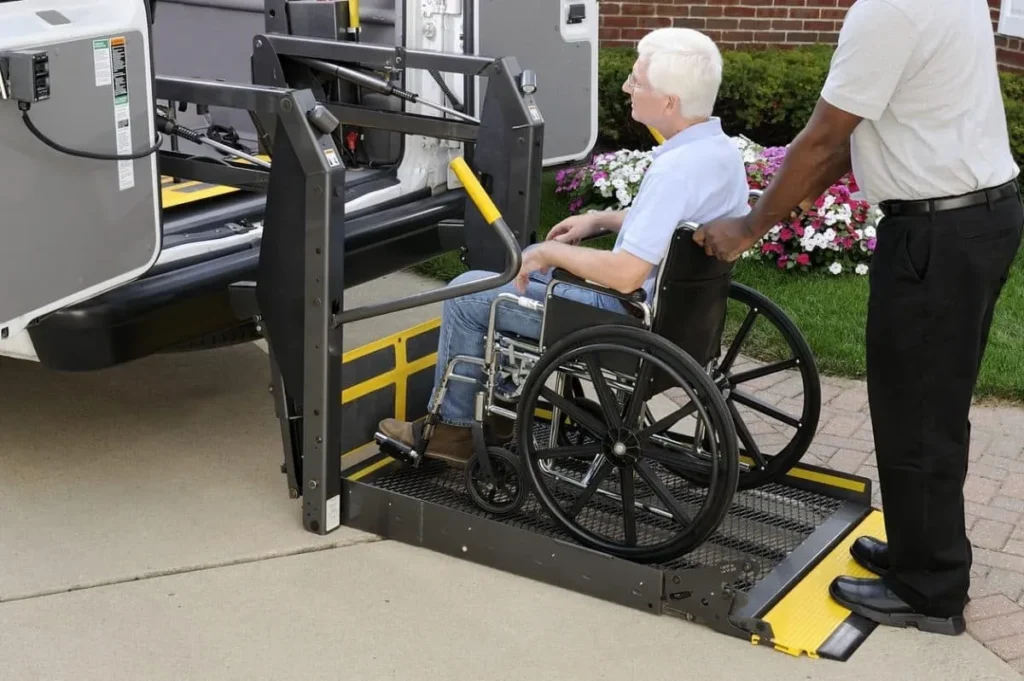
NEMT services play a significant role in supporting patients with mobility challenges by providing transportation to various medical facilities. These services ensure that individuals who may struggle with traditional transportation options can access the care they need. Wheelchair-accessible vehicles are equipped with features such as wheelchair lifts and secure loading procedures, allowing for safe and comfortable transport.
MBM Transportation’s commitment to wheelchair-accessible transportation highlights their understanding of the unique needs of patients. Their trained and certified drivers are equipped to assist individuals with mobility challenges, ensuring a smooth and dignified experience during transport.
Who Is Eligible for Senior Medical Transport Services in Michigan?
Eligibility for senior medical transport services in Michigan typically includes individuals aged 60 and older who require assistance getting to medical appointments. These services are essential for seniors who may not have access to personal vehicles or who may have difficulty using public transportation. NEMT services help ensure that seniors can maintain their healthcare appointments, which is crucial for their overall well-being.
However, access to these vital services remains a significant challenge for many, particularly the aging rural population in Michigan.
NEMT Access Challenges for Michigan’s Rural Seniors
The rural aging population in Michigan struggles to access medical care often available only at significant distances due to limited health system resources and provider shortages. Access to routine care is challenged by lack of non-emergency medical transportation (NEMT).
Deficiencies in Non-Emergency Medical Transportation for Aging Rural Residents of Iosco County, Michigan, 2025
What Qualifications and Training Do Professional Medical Drivers in Michigan Require?
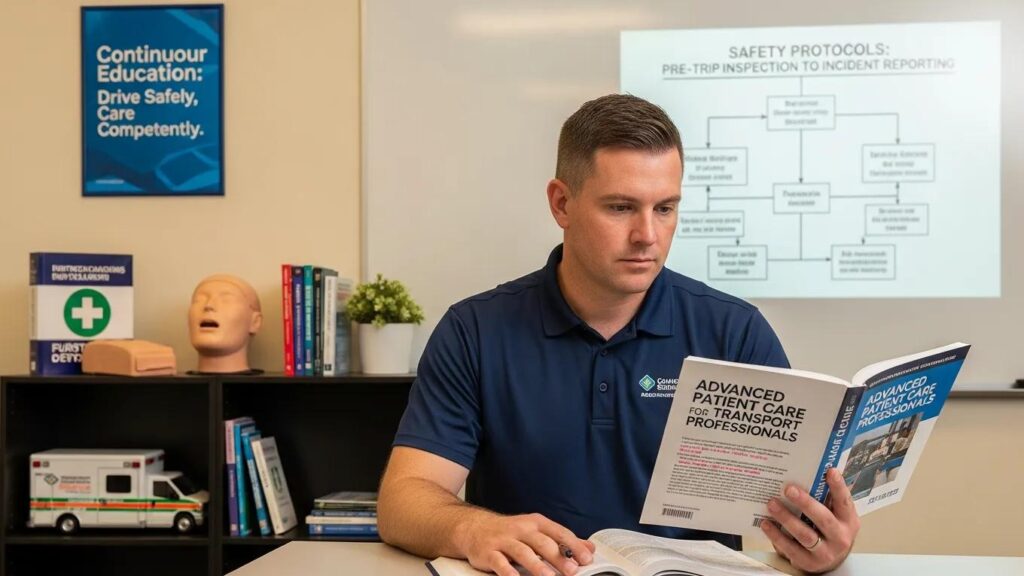
Professional medical drivers in Michigan must meet specific qualifications and undergo extensive training to ensure they can provide safe and reliable transportation. Key qualifications include:
- Valid Driver’s License: Drivers must possess a valid driver’s license appropriate for the vehicle type they operate.
- Background Checks: Comprehensive background checks are conducted to ensure the safety of passengers.
- First Aid and CPR Certification: Drivers are often required to have current certifications in first aid and CPR to handle emergencies effectively.
These qualifications are essential for ensuring that drivers can provide the highest level of care and safety during patient transport.
Which Driver Certifications Ensure Patient Transportation Safety Standards?
Several certifications are crucial for ensuring that drivers meet safety standards in patient transportation. These include:
- CPR and First Aid Certification: Ensures drivers can respond to medical emergencies.
- Defensive Driving Course Completion: Teaches drivers how to handle various driving situations safely.
- Passenger Assistance Training: Focuses on how to assist passengers with mobility challenges effectively.
These certifications help maintain high safety standards and ensure that drivers are prepared to handle any situation that may arise during transport.
How Does Ongoing Training Enhance Driver Reliability and Compassion?
Ongoing training is vital for enhancing driver reliability and compassion. Regular training sessions help drivers stay updated on best practices in patient care and safety protocols. This continuous education fosters a culture of compassion and understanding, allowing drivers to connect with patients on a personal level.
By prioritizing ongoing training, companies like MBM Transportation ensure that their drivers are not only skilled in transportation but also empathetic to the needs of their passengers. This approach enhances the overall patient experience and builds trust between drivers and patients.
Indeed, the importance of comprehensive driver training for ensuring the quality and safety of non-emergency patient transport services is widely recognized.
NEMT Quality, Safety, and Driver Training
non-emergency patient transport services, with a particular focus on factors impacting upon the quality and safety of services. Such training is advocated by others to facilitate the uptake.
Non-emergency patient transport: what are the quality and safety issues?
A systematic review, A Georgiou, 2011
What Safety Protocols Are Followed During Patient Transportation?
Safety protocols are critical in ensuring the well-being of patients during transportation. Key protocols include:
- Vehicle Inspections: Regular inspections ensure that vehicles are in safe working condition.
- Securement Procedures: Properly securing wheelchairs and other mobility devices is essential for passenger safety.
- Emergency Preparedness: Drivers are trained to handle emergencies, including medical situations and vehicle breakdowns.
These protocols are designed to minimize risks and ensure that patients arrive at their destinations safely and comfortably.
How Are Wheelchair Accessible Medical Transport Vehicles Equipped for Safety?
Wheelchair-accessible medical transport vehicles are equipped with various safety features to ensure the well-being of passengers. These features include:
| Feature | Description | Benefit |
|---|---|---|
| Wheelchair Lifts | Mechanisms that allow for easy entry and exit | Ensures safe access for wheelchair users |
| Secure Loading Procedures | Protocols for safely securing wheelchairs during transport | Prevents movement and potential injury during transit |
| Safety Equipment | Includes seat belts and harnesses for additional security | Enhances passenger safety during transport |
These features are essential for providing a safe and reliable transportation experience for individuals with mobility challenges.
What Procedures Ensure Passenger Safety and Comfort During Transport?
Ensuring passenger safety and comfort during transport involves several key procedures:
- Pre-Trip Assessments: Drivers conduct assessments to understand the specific needs of each passenger.
- Comfort Measures: Providing assistance with seating and ensuring a comfortable environment during transport.
- Communication: Keeping passengers informed about the journey and addressing any concerns they may have.
These procedures are designed to create a positive experience for passengers, ensuring they feel safe and cared for throughout their journey.
How Do Wheelchair Accessible Vans Provide Mobility Accommodations?
Wheelchair-accessible vans are specifically designed to accommodate the needs of individuals with mobility challenges. These vans feature:
- Spacious Interiors: Allow for easy movement and comfort for passengers and caregivers.
- Adjustable Seating: Provides flexibility for different passenger needs.
- Accessibility Features: Such as ramps and lifts to facilitate easy entry and exit.
These accommodations are crucial for ensuring that individuals with mobility challenges can travel comfortably and safely.
What Features Make Wheelchair Vans Safe and Accessible?
Wheelchair vans incorporate several features that enhance safety and accessibility, including:
- Anti-Slip Flooring: Reduces the risk of slips and falls during entry and exit.
- Securement Systems: Ensure that wheelchairs are safely secured during transport.
- Emergency Exits: Provide additional safety measures in case of emergencies.
These features are essential for creating a safe and accessible transportation environment for all passengers.
How Are Wheelchair Securement and Loading Procedures Conducted?
Proper securement and loading procedures are critical for ensuring the safety of passengers using wheelchairs. These procedures include:
- Assessment of Wheelchair Type: Understanding the specific type of wheelchair to determine the best securement method.
- Use of Securement Straps: Ensuring that wheelchairs are securely fastened to prevent movement during transport.
- Driver Training: Ensuring that drivers are trained in proper loading and securement techniques.
These procedures help minimize risks and ensure that passengers are transported safely.
How Does Reliable Medical Transportation Support Healthcare Continuity?
Reliable medical transportation is essential for supporting healthcare continuity. It ensures that patients can attend their appointments consistently, which is crucial for managing chronic conditions and receiving timely treatments. When patients have access to dependable transportation, they are more likely to adhere to their treatment plans, leading to better health outcomes.
MBM Transportation plays a vital role in this aspect by providing safe and reliable NEMT services throughout Michigan, ensuring that patients can maintain their healthcare schedules without interruption.
Why Is Punctuality Critical for Treatment Adherence?
Punctuality is critical for treatment adherence as it directly impacts a patient’s ability to receive timely care. Arriving on time for appointments ensures that patients can access necessary treatments and consultations, which is vital for their health. Delays in transportation can lead to missed appointments, which may result in deteriorating health conditions.
By prioritizing punctuality, companies like MBM Transportation help patients stay on track with their healthcare plans, ultimately improving their overall health outcomes.
How Do Professional Drivers Build Trust with Patients and Families?
Professional drivers build trust with patients and families through several key strategies:
- Consistent Communication: Keeping passengers informed about their journey and addressing any concerns.
- Empathy and Understanding: Demonstrating compassion and understanding towards patients’ needs.
- Reliability: Ensuring that transportation is consistently safe and timely.
These strategies are essential for fostering a trusting relationship between drivers and patients, which is crucial for enhancing the overall patient experience in non-emergency medical transportation.